
Best AI App Builder in 2026: Six Builders Compared on What Ships, Priced the Same Day
The three pages ranking for this question each put their own product first and call the list tested. This page is written by a site that sells prompts for one of the builders and says so up front. It compares six builders on the three things that decide whether an app ships: whether the backend is included, whether the code leaves with you, and what gets metered, with every price read on the vendor page on the same day, and it shows the runs, credits and screenshots behind the one builder we have measured.
Updated
What should you compare AI app builders on?
Three things, none of them the demo. Does the builder ship a backend, so the app has a database, auth and hosting without a second product? Does the code leave with you, and how? And what does the meter count, because every one of these charges by usage rather than seats and the sticker price is not the bill. Everything below was read on the vendor pages on 26 September 2026; the shared facts live in one file so the comparison pages on this site cannot state them differently.
| Backend included | Code leaves with you | Meter | |
|---|---|---|---|
| Lovable | Lovable Cloud ships database, authentication, storage, edge functions and realtime without a separate setup step, built on Supabase's foundation | Two-way GitHub and GitLab sync: changes flow in both directions, and you can clone and work locally | Credits per message; build and run separate in reporting |
| Bolt.new | Yes, including databases and hosting | Yes | Tokens; cost scales with codebase size per Bolt's docs |
| v0 | Yes; Vercel's docs are explicit that it builds backend logic, not just mockups | Yes, through pull requests against your repository, the only review-first flow here | Dollar credits at per-model rates; seven messages a day on Free |
| Base44 | Yes, the most opinionated: entities with rules, Deno functions, built-in auth | Yes on Builder or higher: GitHub 2 way sync requires the Builder plan or higher | Message credits for building, integration credits for running |
| Replit | Yes, including a built-in database, storage and hosting | Yes, with two-way GitHub sync from the Git pane, and a working shell alongside it | Effort-based dollars per agent checkpoint |
| Bubble | Yes, inside Bubble | No code at any price; the app lives on the platform | Workload units |
| Category | USD per month |
|---|---|
| Base44 | 16 (Starter) |
| Replit | 20 (Core) |
| Lovable | 25 (Pro) |
| Bolt.new | 25 (Pro) |
| v0 | 30 (Plus) |
| Bubble | 59 (Starter) |
Base44 Starter and Bubble Starter are billed annually; Lovable Pro is shown incl. VAT to an EU account; the rest are monthly list prices. All read 26 September 2026.
Which builder did we test, and what did it ship?
Lovable, three times, because it is the builder this site's prompt library is written for and the one we have accounts, credits and screenshots on. That is a bias and it is stated; it is also the only first-hand evidence on this page. Each run used a prompt from the library in a personal workspace with the credits page read before and after.
| Date | Questions asked first | Credits | What came back | |
|---|---|---|---|---|
| Landing page + email opt-in | 2026-07-31 | 0 | 1.8 | One round, all five priority features, inline success state, Cloud enabled |
| Empty states and skeletons | 2026-09-26 | 2 | 9.5 | Asked 2 questions, built a /states gallery and a task list, verified slow load, failure and retry |
| SaaS MVP with user auth | 2026-09-26 | 4 | 10.4 | Asked 4 questions, enabled Cloud, self-tested sign-up and invites, roles checked in the database |
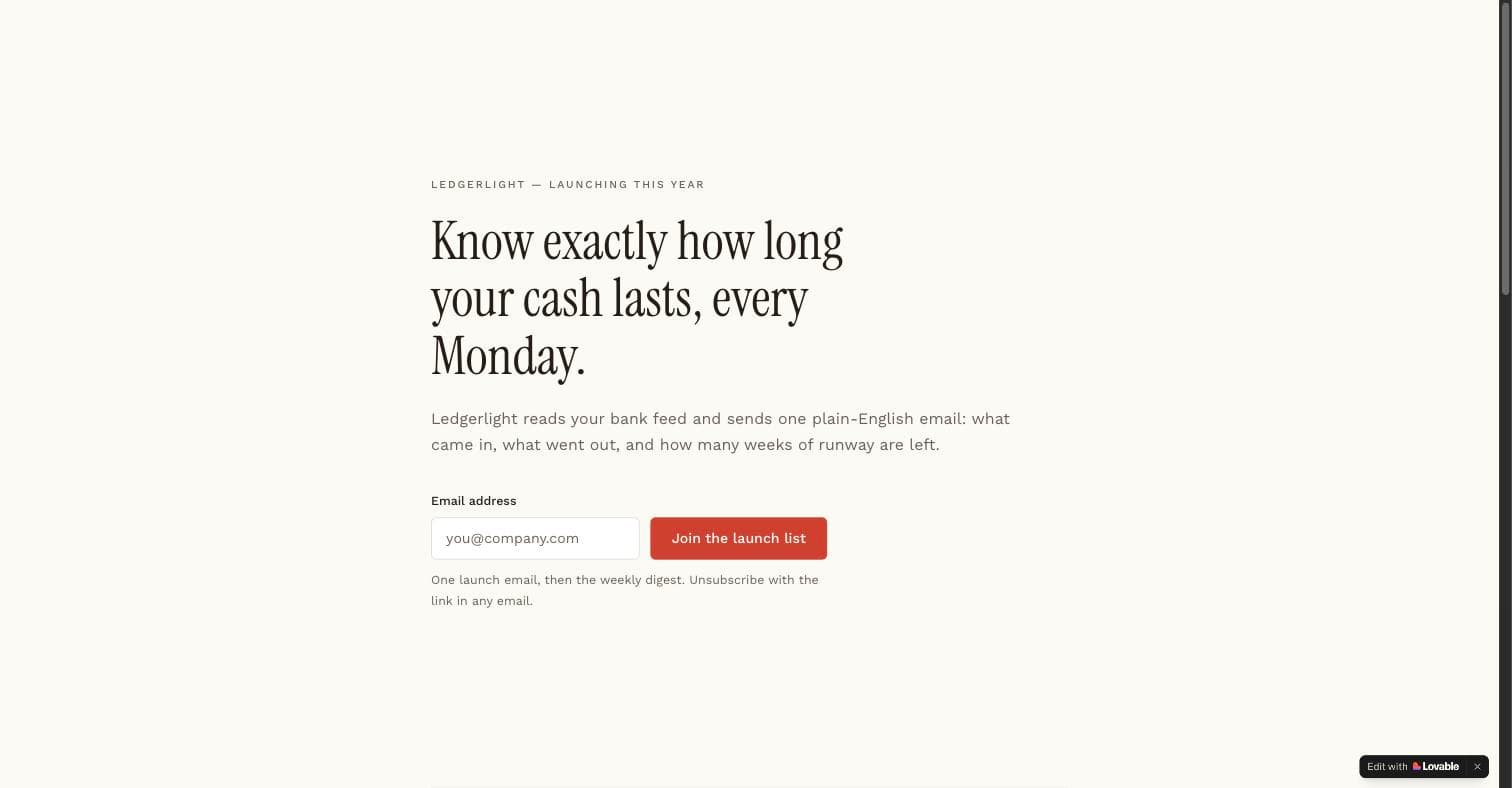
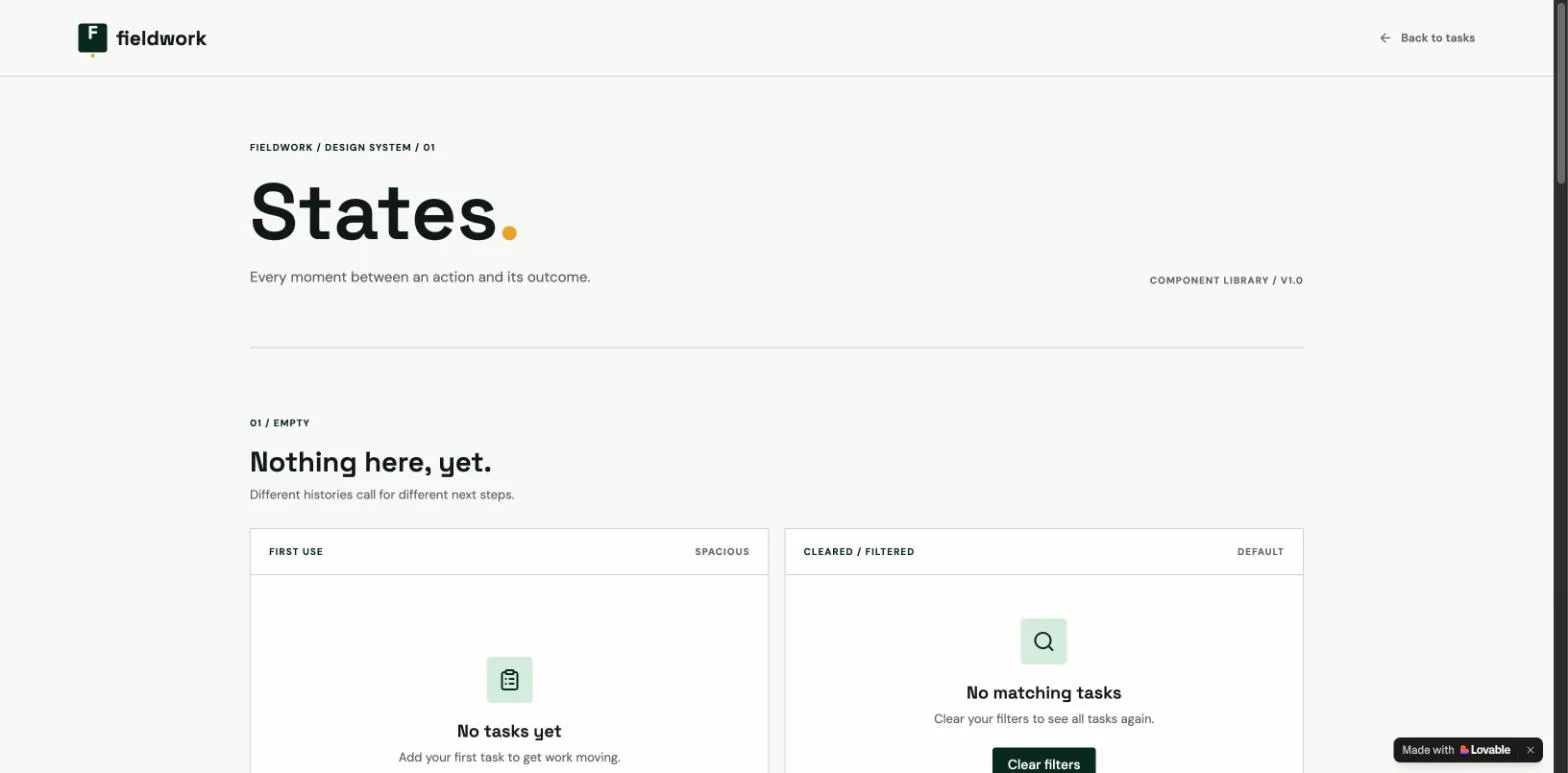
The prompt examples page has every screenshot from the three runs and the prompts themselves. What the runs show is what a builder does with a specific prompt: the states, the safeguards and the questions it asked before building. What they do not show is Bolt, v0, Base44, Replit or Bubble given the same prompt, and this page does not pretend they do.
Lovable
- Pricing
- Lite $5/mo, Pro $25/mo for 100 credits, Business $50/mo; Free tier with 5 build credits a day, read on 26 September 2026. Source
- Backend
- Lovable Cloud ships database, authentication, storage, edge functions and realtime without a separate setup step, built on Supabase's foundation.
- Code
- Two-way GitHub and GitLab sync: changes flow in both directions, and you can clone and work locally.
- Meter
- Credits per message; build and run separate in reporting
- What we measured
- Three prompts run: 1.8, 9.5, 10.4 credits, screenshots below
Bolt.new
- Pricing
- Free, Pro $25/mo, Teams $30/mo per member, read on 26 September 2026. Source
- Backend
- Yes, including databases and hosting.
- Code
- Yes. Export produces a ZIP you run locally with npm. GitHub integration is a separate feature.
- Meter
- Tokens; cost scales with codebase size per Bolt's docs
- What we measured
- Not run
v0
- Pricing
- Free with $5 credits, Plus $30/user/mo, Business $100/user/mo, read on 26 September 2026. Source
- Backend
- Yes; Vercel's docs are explicit that it builds backend logic, not just mockups.
- Code
- Yes, through pull requests against your repository, the only review-first flow here.
- Meter
- Dollar credits at per-model rates; seven messages a day on Free
- What we measured
- Not run
Base44
- Pricing
- Free (25 message credits), Starter $16, Builder $40, Pro $80, Elite $160 per month billed annually; 20% more monthly, read on 26 September 2026. Source
- Backend
- Yes, the most opinionated: entities with rules, Deno functions, built-in auth.
- Code
- Yes on Builder or higher: GitHub 2 way sync requires the Builder plan or higher. This branch must be named main. Other default branch names, such as master, currently aren't supported.
- Meter
- Message credits for building, integration credits for running
- What we measured
- Not run
Replit
- Pricing
- Core $20/mo ($18/mo billed annually), Pro $100/mo ($90/mo billed annually); no free plan is listed on the pricing page, which describes a Free Mode inside plans instead, read on 26 September 2026. Source
- Backend
- Yes, including a built-in database, storage and hosting.
- Code
- Yes, with two-way GitHub sync from the Git pane, and a working shell alongside it.
- Meter
- Effort-based dollars per agent checkpoint
- What we measured
- Not run
Bubble
- Pricing
- Free, Starter $59/mo, Growth $209/mo, Team $549/mo, billed annually, read on 26 September 2026. Source
- Backend
- Yes, inside Bubble.
- Code
- No code at any price; the app lives on the platform.
- Meter
- Workload units
- What we measured
- Not run
How do you pick one?
- Decide whether you will ever open the code. Never: Base44 or Bubble, and read Base44's GitHub rules first. Maybe: Lovable or Bolt, both of which hand it over. Already: v0 into your repository, or Replit as a workspace.
- Decide which channel the first users come from, because the builder has to ship that surface: public pages, an invite loop, a capture form. The product-channel fit guide is the short version.
- Run one prompt on two free tiers and read the meter. The vibe coding prompts page has ten that carry the channel; the number you get beats every figure here.
What we deliberately did not publish
- A ranking. Six builders, one measured; a number one would be a guess dressed as a result.
- The same prompt on all six. It needs paid accounts on each and is the harness the Lovable alternatives page also declines to fake.
- Builders whose pages we did not read today: Emergent, Manus, Zite, CatDoes, Glide, Softr, FlutterFlow, Rork.
- Speed claims. We did not time the runs; the credits page records credits, not minutes.
Sources
All read on 26 September 2026. Shared vendor facts in src/data/comparisons.ts, src/data/lovablePricing.ts and src/data/base44.ts; runs in src/data/runs.ts.
Frequently asked
What is the best AI app builder in 2026?↓
Which AI app builder did you actually test?↓
Which AI app builders are free?↓
Which builder gives you the code?↓
How much does an app cost to build on one of these?↓
Why not include Emergent, Manus, Zite or CatDoes?↓
Related reading
- Lovable alternatives compared
The same six, from the other side.
- Base44 alternatives by what you keep
Its GitHub rules quoted in full.
- three prompts and what they built
Every screenshot from the runs.
- Lovable pricing, read today
Plans and the credit ladder.
- AI coding tools by job
Builders, editors and agents in one table.
- vibe coding prompts
Ten prompts to run on a free tier.
- product-channel fit
Which surface the builder has to ship.
- idea to app
The path from brief to first users, measured.
- the prompt library
131 prompts, each tied to a channel.
- Lovable security
The security record behind the RLS row in the table.
- Lovable and Stripe
How Lovable takes payments, from the docs.
- Lovable mobile app
Native or not: Lovable's documented mobile paths.
- Lovable vs v0
v0's repo import against Lovable's export-only sync.
- Bolt vs Cursor
Bolt against an editor: who deploys, who reads the code.
- app ideas
What to build once you have picked the builder.
Written by

Marco Kohns
Founder of ProtoBites - Venture Growth Studio
Growth PM at a Silicon Valley scale-up (a16z and General Catalyst backed), ex-Techstars where he consulted 13 early-stage startups, Reforge-trained. Every prompt on this site comes out of shipping ProtoBites' own portfolio products.